Tamarisk Labs Partners with Heliogen to Build Complete Autonomous Cleaning Solution for Solar Farms
Writer's
Emerick Varga
5 min
Tamarisk Labs Partners with Heliogen to Build Complete Autonomous Cleaning Solution for Solar Farms

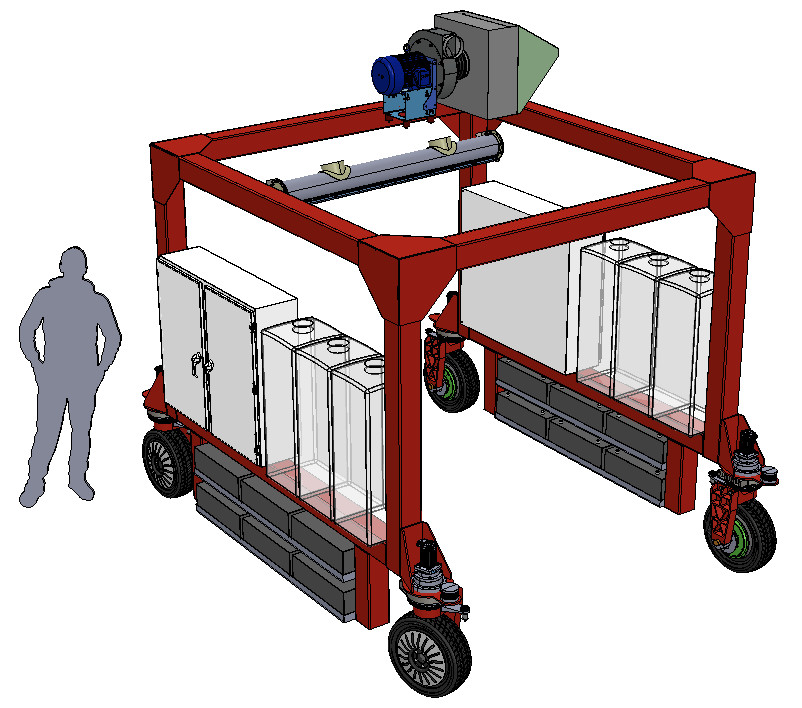
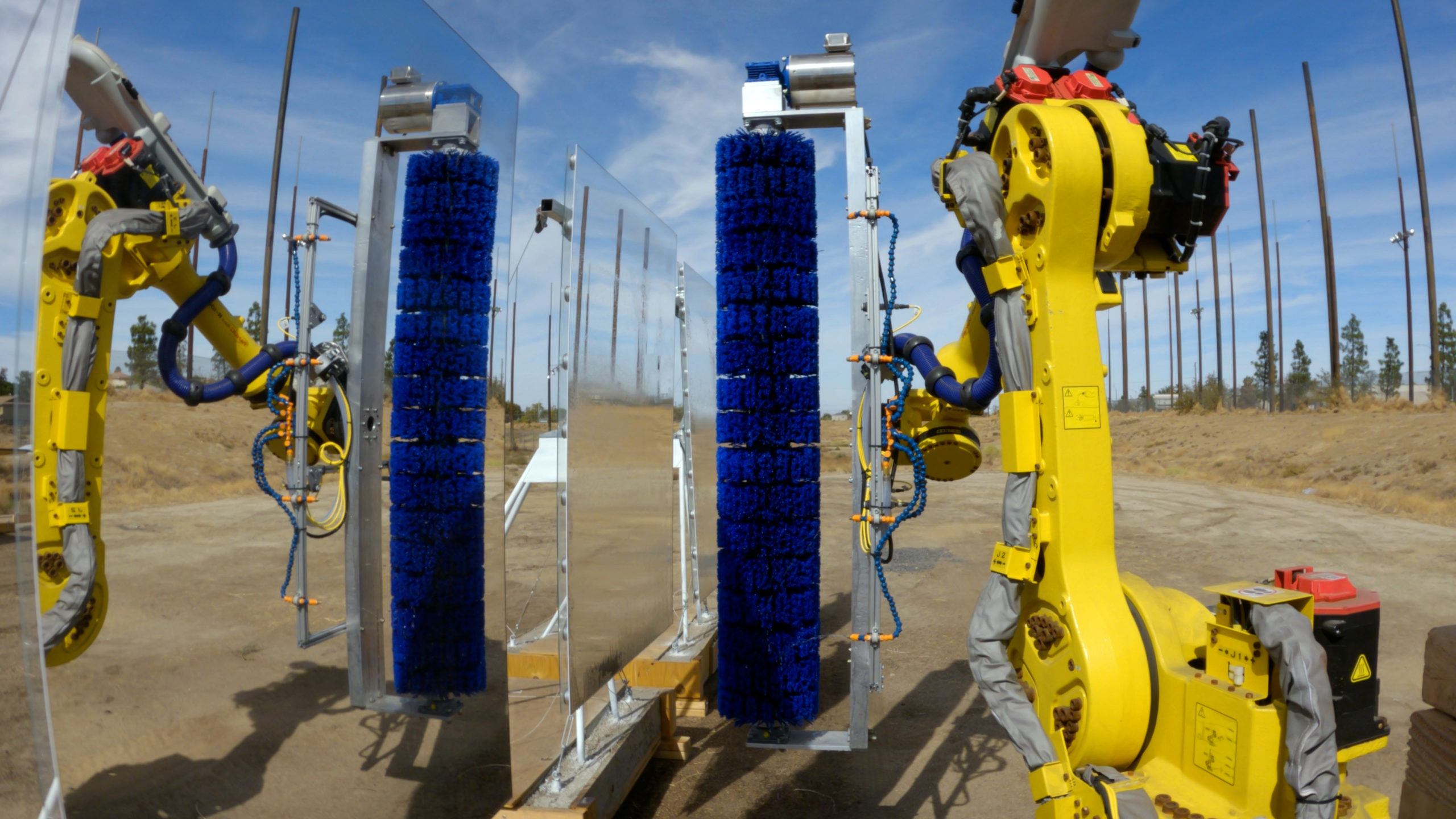
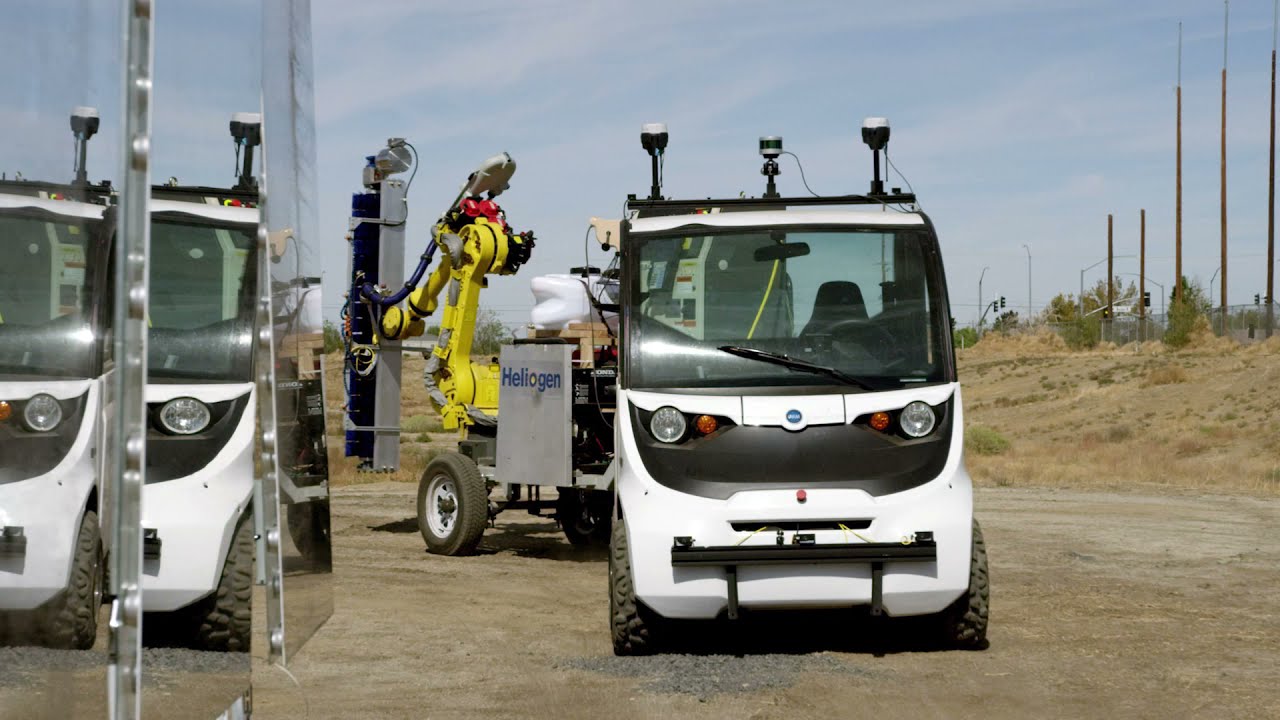
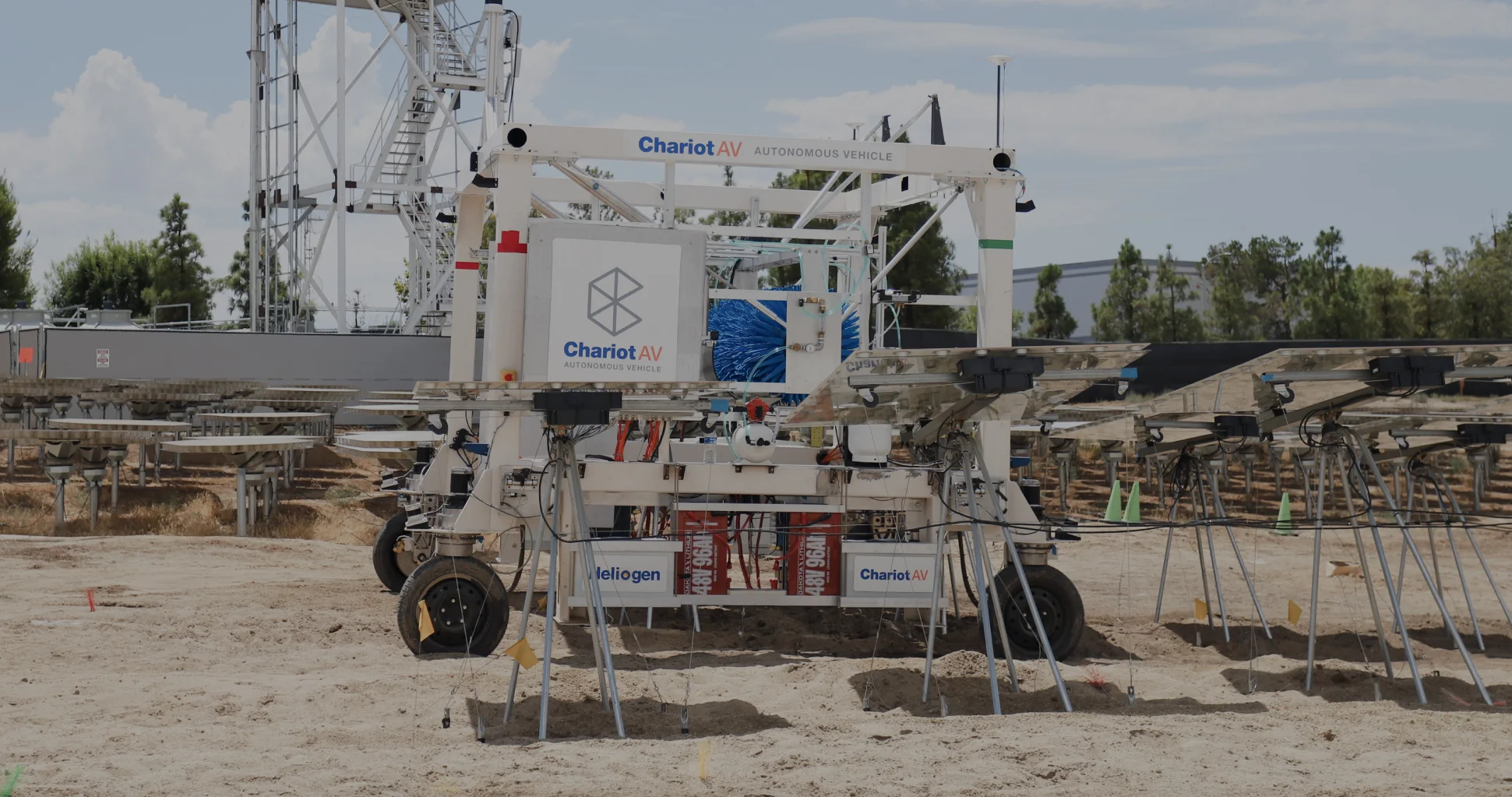
Heliogen engaged Tamarisk Lab's full suite of solutions to collaborate on the "Chariot ACV" Autonomous Cleaning Vehicle (ACV).  From Product Definition Requirements to Field Testing, Tamarisk Engineers and Technicians had a major role in the design, build, and ultimately, the success of Chariot ACV.


Design

Tamarisk and Heliogen engineers worked as one team to develop several iterations of the Chariot ACV.  The design goal was simple: design and implement a robotic solution to clean the Heliostat mirrors.  The robot would reduce enviromental impact, human labor cost, and operational interruption while boosting the renewable energy system's efficiency by cleaning the mirrors at night.  The first step in any project is to create a clear project framework and product definitions - Tamarisk and Heliogen Engineer's worked together on the Product Definition Requirements documentation.


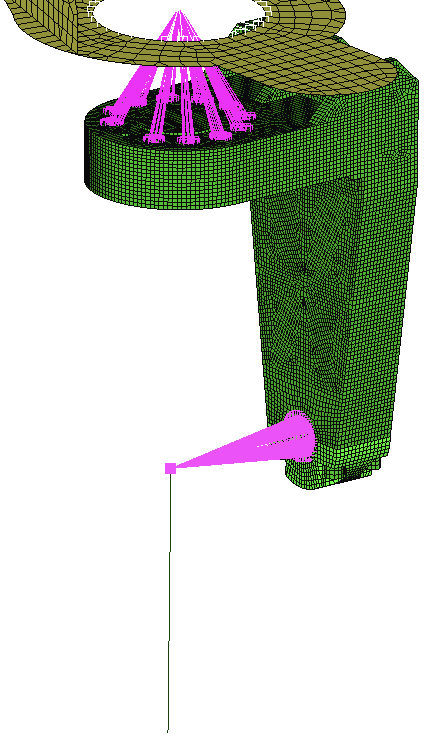
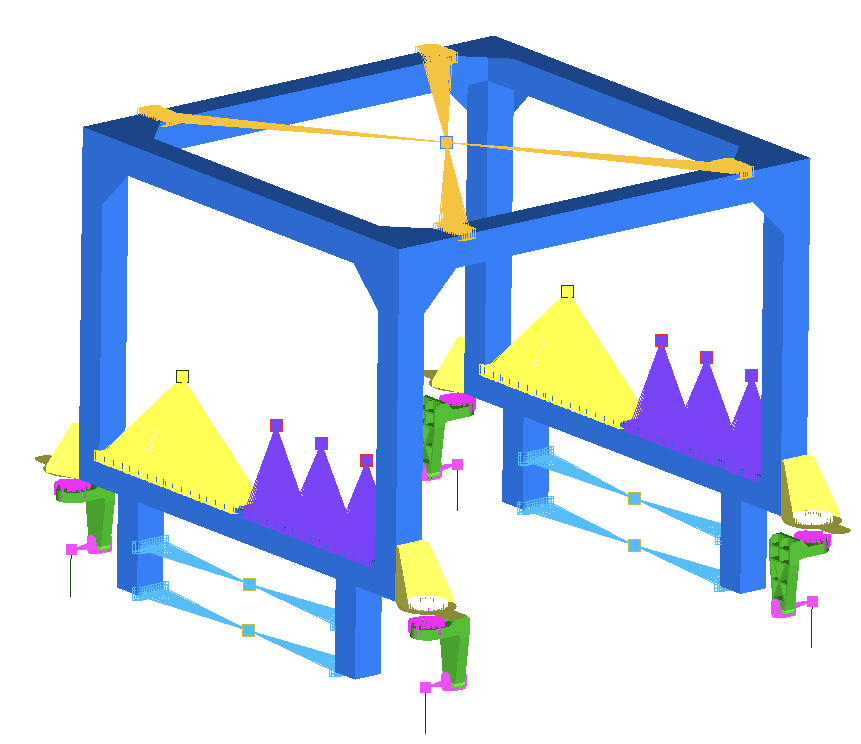
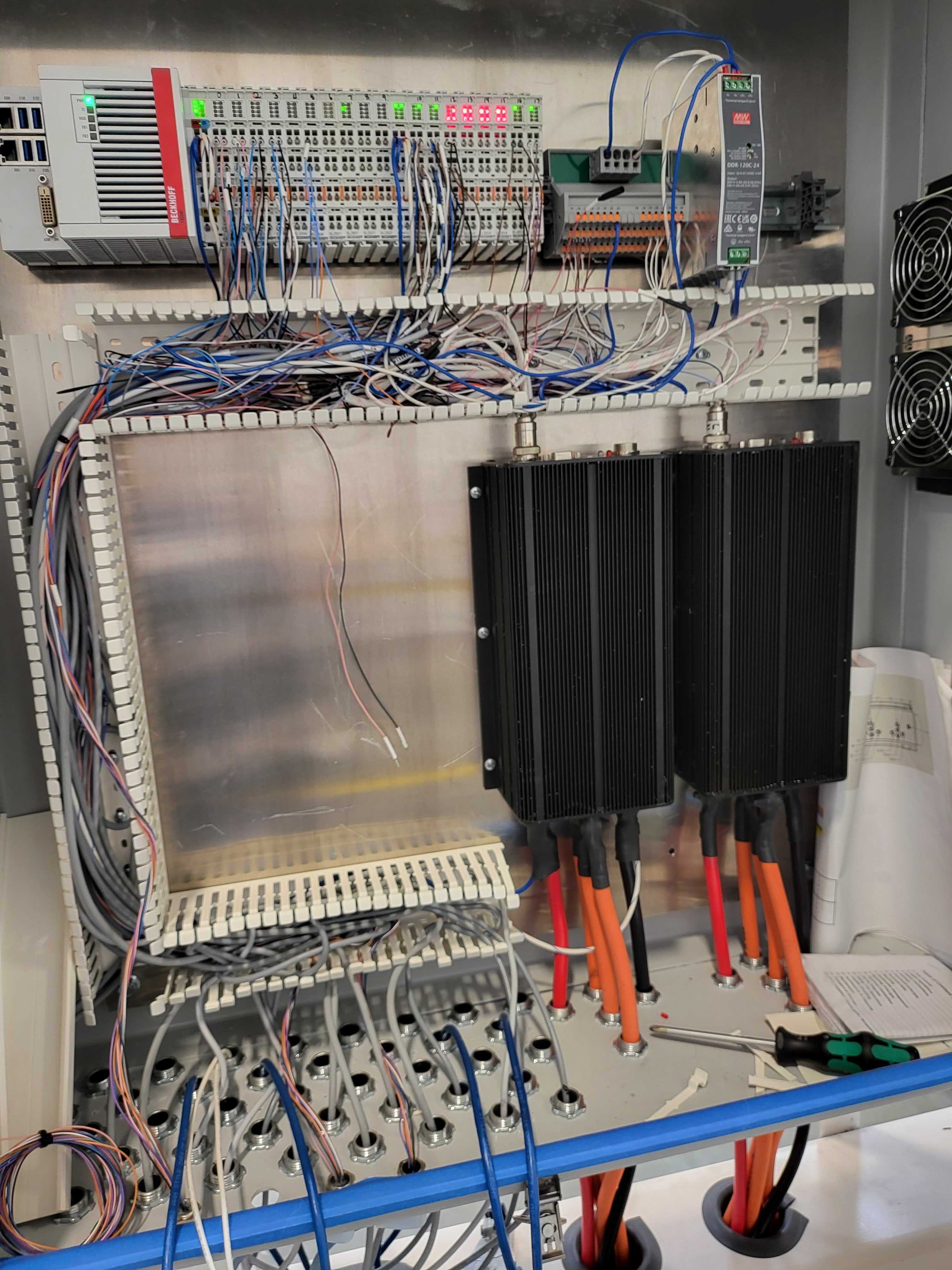
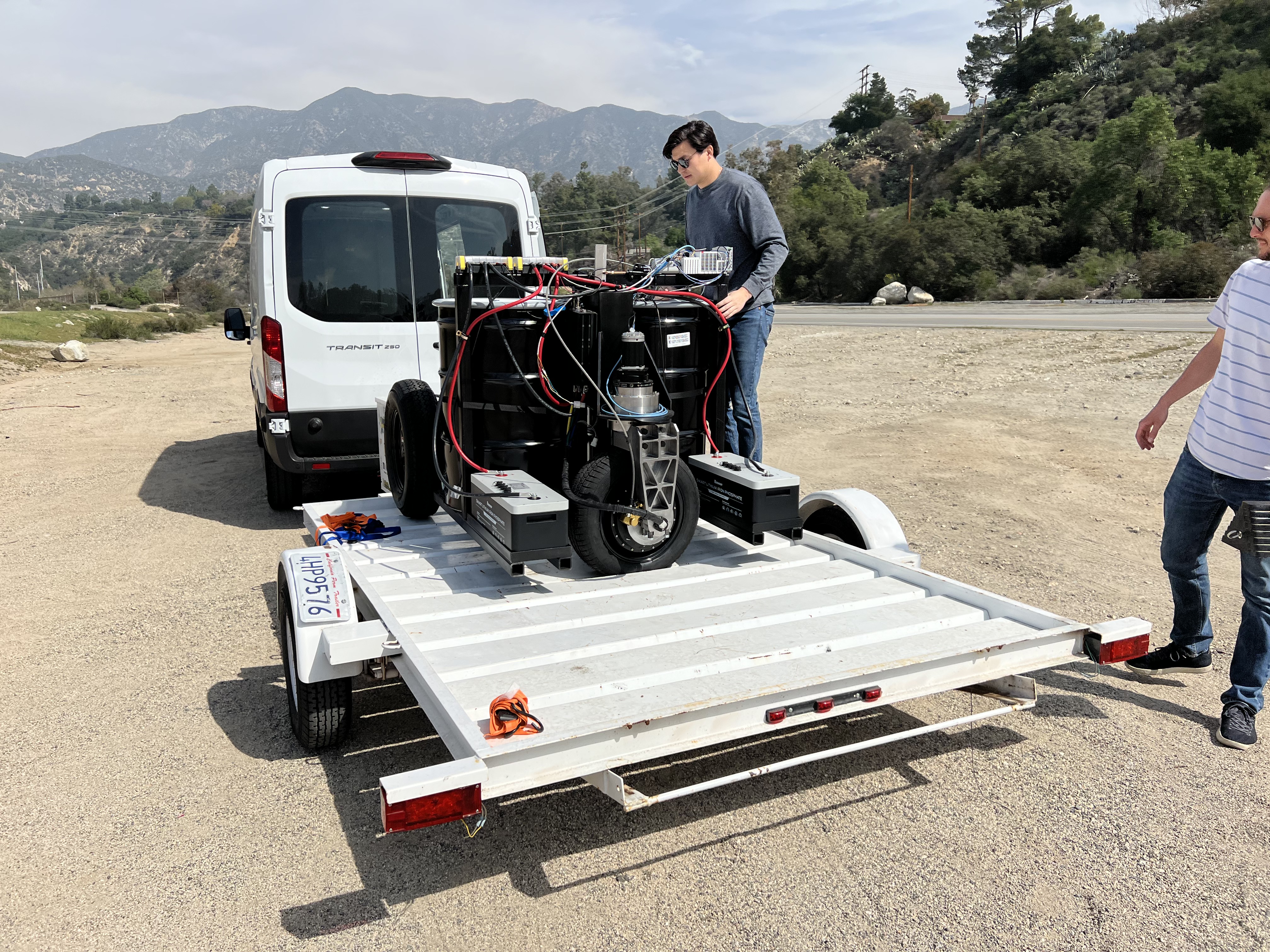
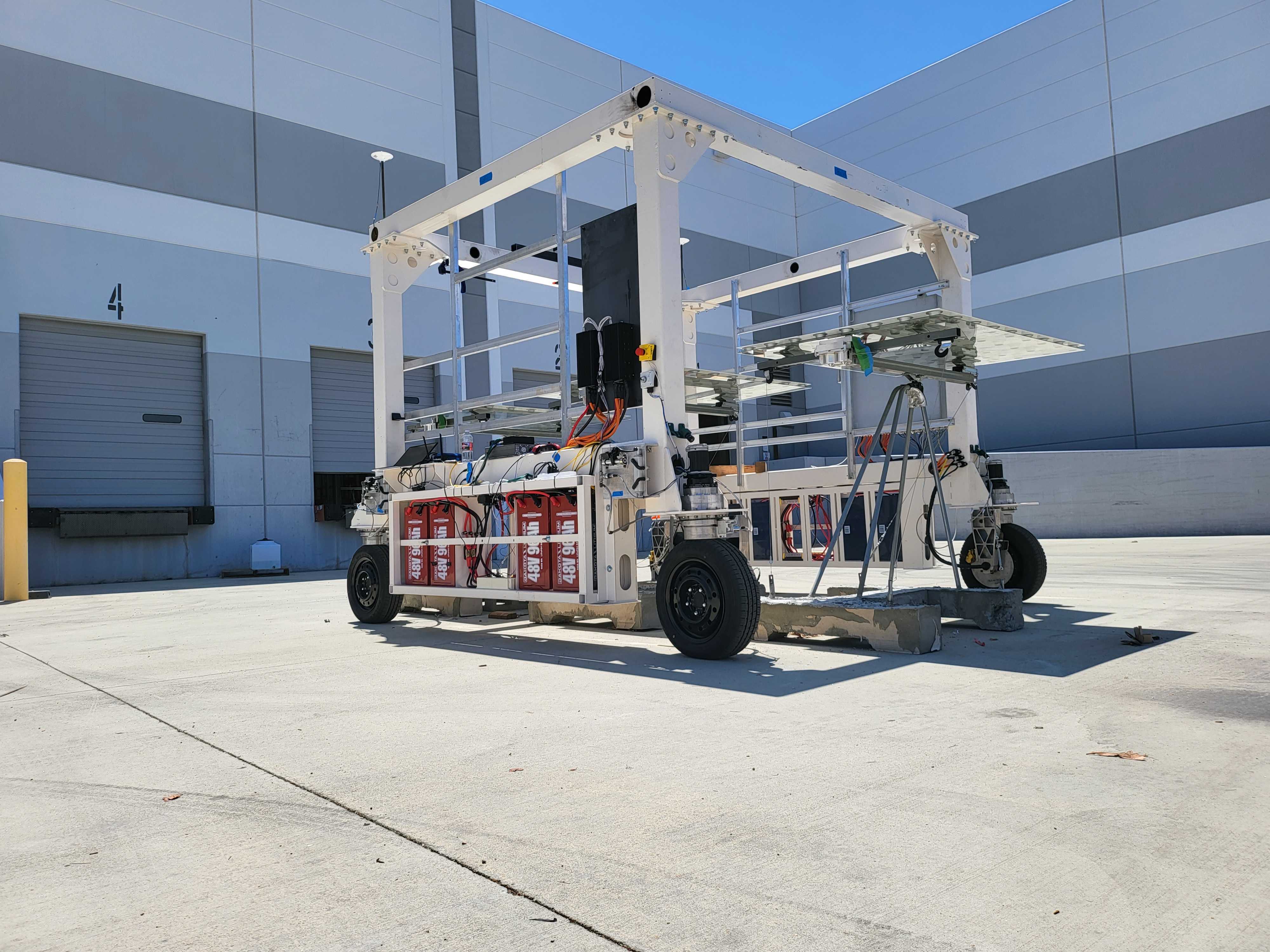
Tamarisk Engineers spearheaded the electromechanical design of several key features of the Chariot ACV, including sensor selection and integration, 4-wheel-drive system, cleaning apparatus, control systems, Beckhoff PLC programming, and electrical system enclosure. All mechanical designs were created in Solidworks and wiring diagrams in Autodesk Electrical.  Sensor selection and integration included a suite of over 30 sensors (LIDAR, GPS, and Cameras).  The integration included both mechanical housings designed for rough off-road terrain, electrical wiring, and supporting software and firmware.


Prototyping

Heliogen engaged Tamarisk's quick turn prototype shop to shorten iteration times for quickly fabricating and testing specific subsystems of the drive train, controls architecture, and potential cleaning solutions.  Tamarisk was able to iterate very quickly through a combination of internal mechanical and electrical fabrication capabilities and tightly integrated engineering resources between the Heliogen and Tamarisk teams. Heliogen was able to downselect subsystem components and design paths through Tamarisk to go from ideation to testing in 2 months, testing to design in 9 months, and design to deployment in only 3 months.


Production

Tamarisk Labs handled the procurement of components in the drivetrain system, custom parts of the electrical control system, and many of the sensor packages.  While final assembly took place in Heliogen's Long Beach manufacturing facility, Tamarisk provided final production parts for the motor drive units.  During the 3-month final Gen 1 build, Tamarisk sent technicians and engineers on site to work with Heliogen's assembly team to help the build effort.  In November 2022, Gen 1 Chariot ACV build was completed and deployed in Lancaster, CA.


Field Testing and Success

With the first production model built, Tamarisk sent a field test engineer weekly to Heliogen's Lancaster deployment site to assist with field trials, integration with existing operational systems, and gather data for a next generation model.

Check it out in action!

https://www.youtube.com/watch?v=WtVmEo3Tw9k&ab_channel=HeliogenInc

Hohonu x Tamarisk : A Showcase in Low Volume Manufacturing
Writer's
Emerick Varga
3 min
Hohonu x Tamarisk : A Showcase in Low Volume Manufacturing

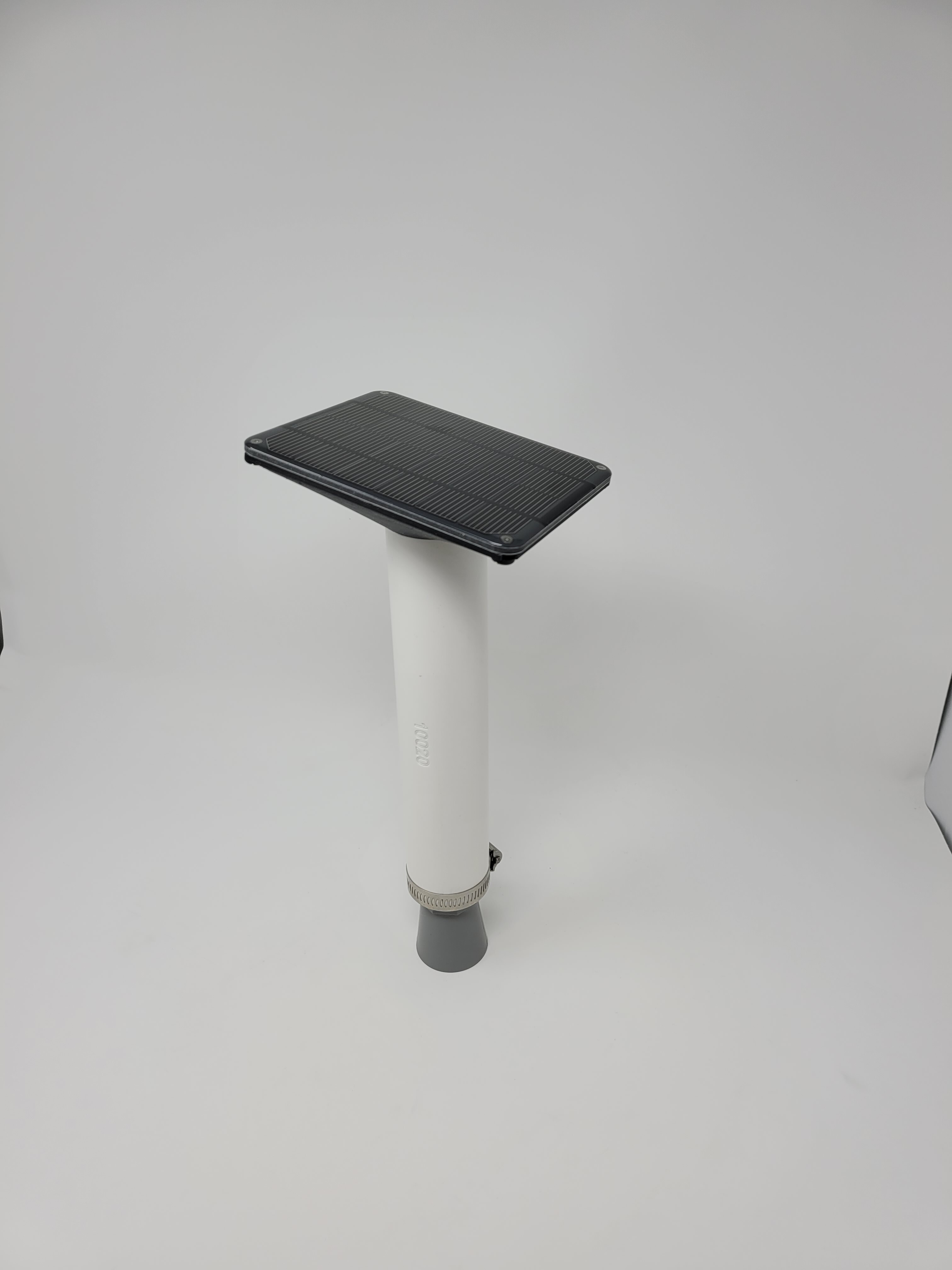
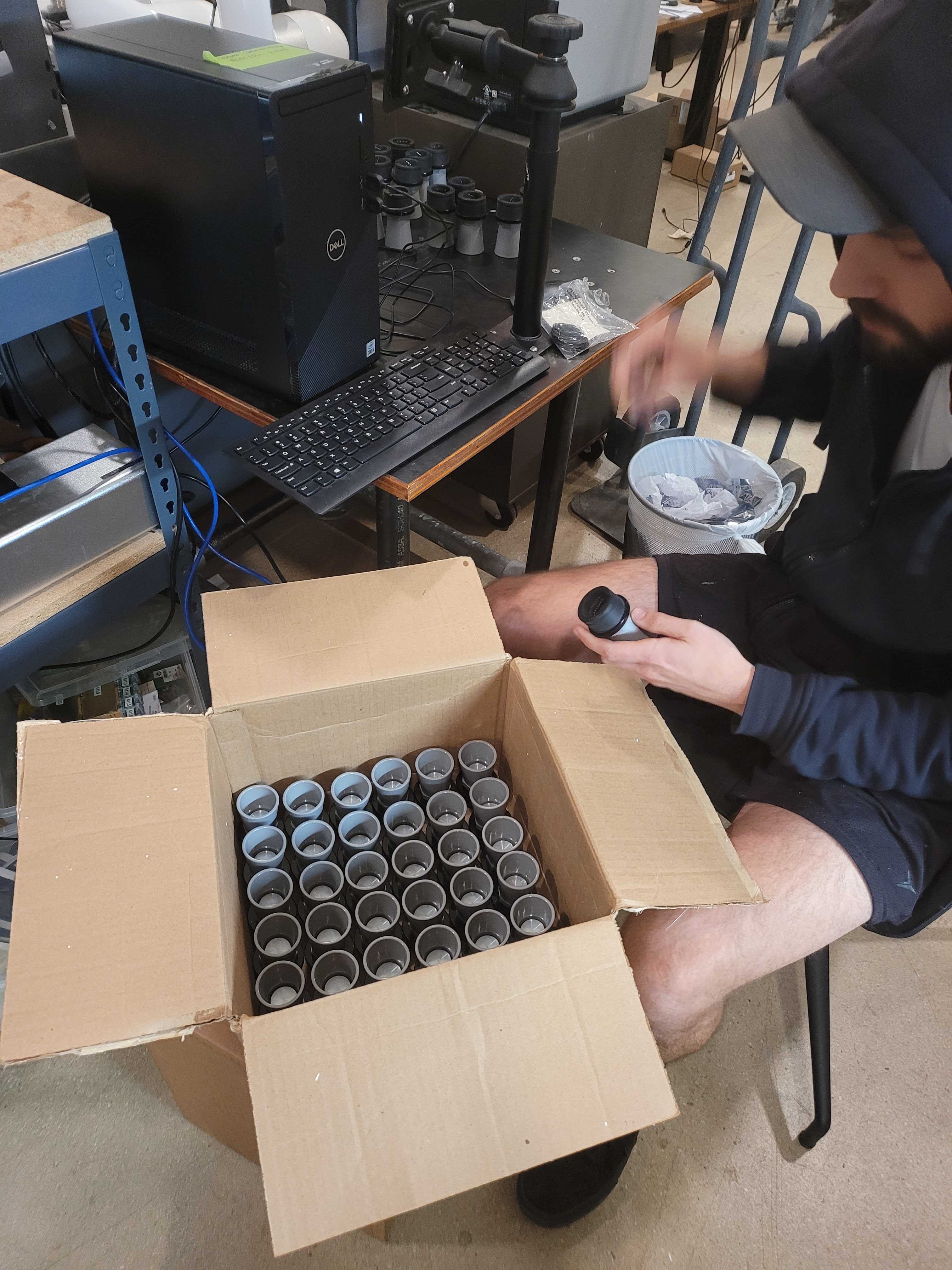
Tamarisk has performing small batch manufacturing for Hohonu's Tidal Guage units for over 3 years.  In 2021, Tamarisk transitioned an assembly process out of a startup’s R&D lab, improved their product experience, and allowed the team to focus on growing their overall business.  Since then, Tamarisk has manufactured 200+ units per year for Hohonu, which are deployed globally.  


INSERT GRAPHIC FROM THE APP HERE


Taking a product from prototyping stage to manufacturing of any scale is a huge jump.  3D Printing critical components can be a great way to quickly test designs.  Depending on the part, it can even be a very effective method for producing high fidelity parts.  However, putting units in the hands of customers requires a high level of quality control and process selection.  When we first partnered in 2021, Tamarisk helped Hohonu shift away from FDM hobby grade solar mounts and SLA printed sonar mounts to more production and reliable manufacturing methods and material choices.


alsdkf       

                Prototype Unit (2024)                                                          Prototype Unit (2021)


In Q1 of 2024, major network carriers decided to phase out the 2G network that was being used for Hohonu's original units.  In addition to upgrading units from a 2G to 5G connection, Tamarisk and Hohonu took the shift as an opportunity to do a deep dive into the manufacturing process and device design.  Tamarisk put together a plan to reduce the part count, assembly complication, and overall cost of Hohonu units by simplifying the internal PCB chassis and waterproofing mechanism.  Simplifying these two aspects of the design reduced the total part count by 10% and decreased the manufacturing defect rate by 30% leading to an overall production cost reduction by over 28%.


“When I think of Tamarisk, I think of trust and reliability. They not only delivered what we needed in our manufacturing, but they took it upon themselves to take our product experience to the next level. At our volume I didn’t think it was possible to find an engineering partner like this.” –Kevin Mukai, COO of Hohonu

Medical Device Product Development: Camino Mobility
Writer's
Emerick Varga
5 min
Medical Device Product Development: Camino Mobility

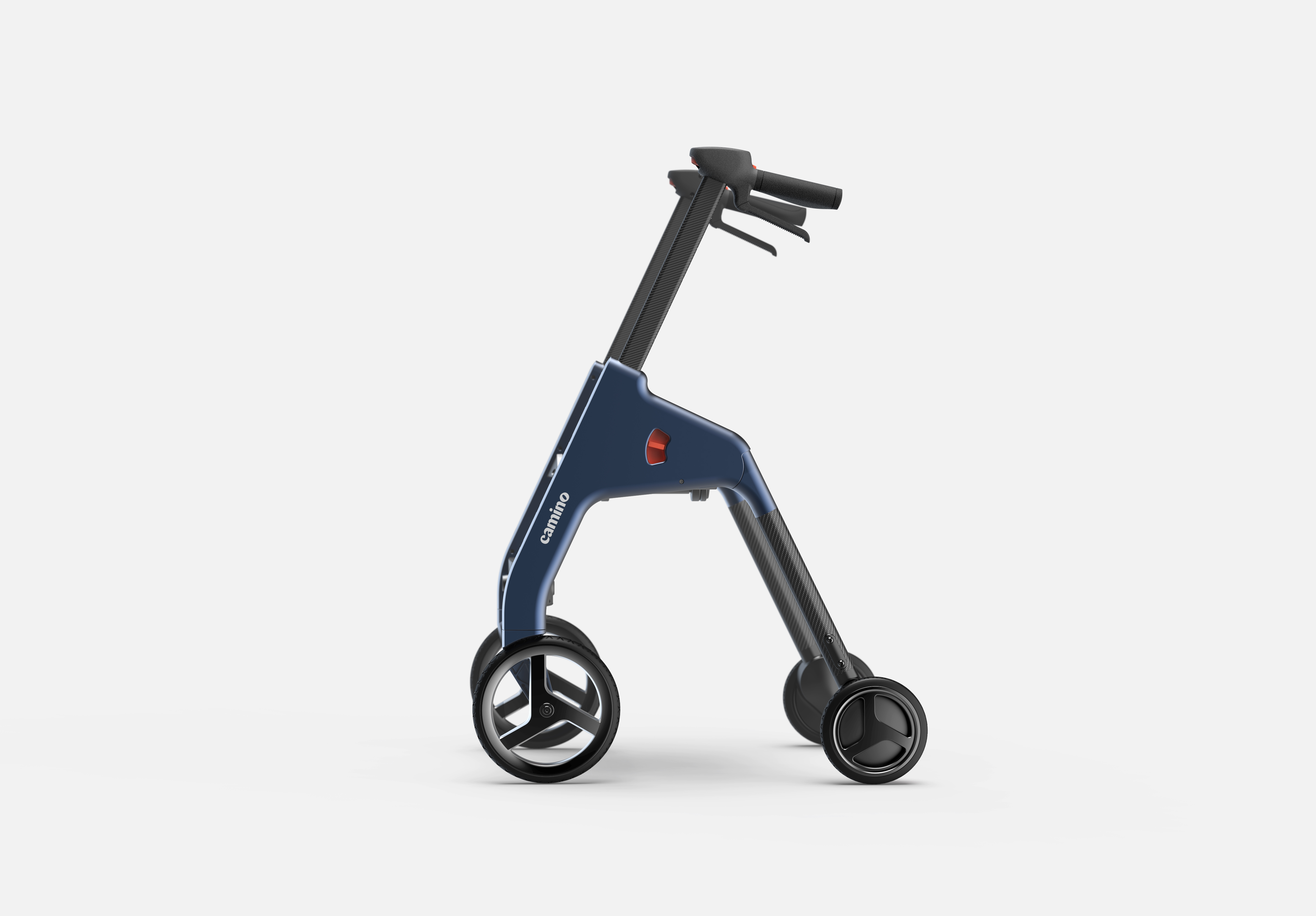
Camino Mobility is a new medical device company based in Torrance, CA.  They have developed the worlds first Smart Walker for elderly folks looking to maintain a high standard of life.  It boasts a variety of novel, hightech features including smart adaptive breaking, hill assist, and active stability to aid in standing and sitting motions. Camino Mobility continues to partner with Tamarisk Labs for engineering development, regulatory compliance testing, and prototyping services.


Electromechanical Engineering

Focused primarily on the lifestyle branding aspect of the business, Camino Mobility is a small team focused on helping an underserved community.  Looking to partner with an engineering team capable of owning a significant portion of the product development, Camino found us at Tamarisk Labs.  Tamarisk spearheaded the development of the control system firmware and custom motor driver systems.  In C++ and Python, Tamarisk architected and executed the underlying firmware architecture that runs on all Camino Smart Walkers.  The IMU is the most essential sensor in Camino's hill assist and adaptive breaking technology - orienting the device with regard to gravity.  It needs to be very accurate.  When the IMU sensor itself is accelerating and decelerating, the reading can become incorrect, causing confusion in the entire system.  To correct the IMU reading's accuracy, Tamarisk Labs developed a custom Fusion algorythm to merge wheel movement data and IMU reading to predict the acceleration and deceleration of the Smart Walker.  Seperating the movement data and IMU data enabled us to create incredibly accurate IMU data readings.


Navigating EMI, EMC, and ISO Medical Standards

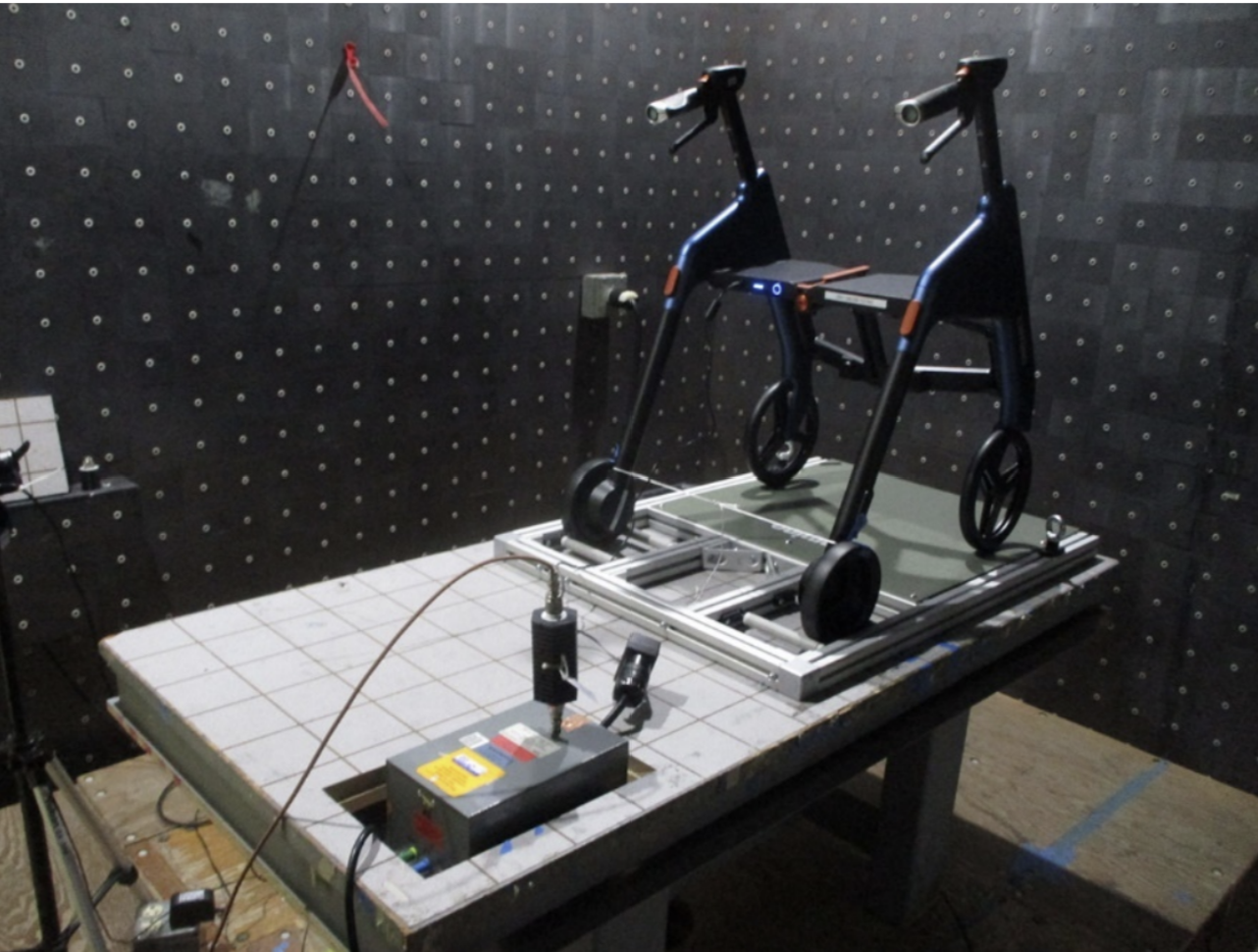
Like most new medical devices, compliance and testing is the key to getting the product to market.  Tamarisk's expertise in ElectroMagnetic Immunity (EMI) and EletroMagnetic Compliance (EMC) helped push Camino Robotics' Smart Walker to certification and compliance.  Tamarisk conducted in house testing, built custom testing apparatus, and revised the electrical systems in the device to ensure compliance and certification.  The regulation that controls EMC and EMI in the US fall under ISO60601, which is almost a direct copy of the European standard.  This means that through US compliance, Camino will have an be compliant in Europe to sell overseas.  Under Tamarisk's guidance, Camino Robotics is also ISO13485 compliant - ensuring build and manufacturing quality control accross medical device units.


Camino Robotics is currently taking pre-orders on their waitlist here:

https://caminomobility.com/


Precision in Prototyping
Writer's
Emerick Varga
5 min
Precision in Prototyping

Precision in Prototyping

As hardware engineers, makers, designers, and manufacturers, we have all come across setbacks from process failures.  That 50 cent fastener goes missing and holds up a build (failure in inventory), Machined parts are produced out of spec requiring re-work internally (failure in vendor sourcing), a device gets released to a customer with the wrong firmware (failure in traceability).  In production, huge efforts go into building the right processes, training, and equipment to ensure quality every step of the way.  When it comes to prototyping though we often think of a process that is free flowing, valuing speed, and considering frustrations from that missing box of fasteners just par for the course.  

With our heritage as a company focused on nothing but prototyping, we are here to say that when it comes to successful product development there are huge gains from bringing precision to prototyping.  Below we have compiled some light touch processes that will help you avoid failed demos and missed deadlines without requiring huge sums of overhead.  

QC Checklist

 There is a great book called the Checklist Manifesto written by Atul Gawande, which outlines the power that a simple checklist can bring to fields like commercial aviation, medicine, and of course manufacturing.  We strongly recommend that if any part of your product is going to individuals outside the immediate staff, you take the time to create a short checklist of how to qualify if your product is functioning.  Assembly instructions, in process qc checks, and drawing sheets are great tools to have, but if we had to choose one piece of quality control documentation to have it would be a simple QC checklist.

Part Marking and Traceability

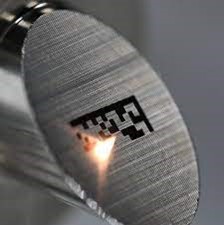
 In our operations we take part marking very seriously, having invested in equipment such as fiber lasers, direct inkjet printing, and thermal adhesive labeling which are all directly controlled through our MES system.  Identifying is the foundation of traceability, and this lets us track the lifecycle of each part within our facility. Even if you are an early-stage company a $50 label maker and a google spread sheet can provide the same level of efficacy.  We highly recommend that as a place to start you keep track of the following elements:

  • Defects or deviations to individual parts.
  • The revision history of a part.  Old parts that are visually similar but not functionally similar can be land mines to your development process.  
  •  If you have a software component, we recommend keeping track of what software version a device is running.  

Finding the right Manufacturing Partner

You don't want to be spending hours re-working parts because they are not made to spec on the first pass.  In high volume production, engineers and fabricators have the luxury of taking a few iterations to dial in the process.  This is not the case for most low volume builds. As a rule of thumb, prototype parts should be more, not less, accurate than their high volume counterparts.   Work with a contract manufacturer that has a proven track record of working in a high component mix environment and can work within your high paced development cycles.  

Maintain a Bill of Materials (BOM)

Maintain a Bill of Materials.  We experienced some painful lessons during our early years of bad products being produced and money lost, that could have been avoided if we had been more diligent in maintaining the projects BOM and ensuring all staff were sourcing directly from what was listed.  In one such instance a “smart” engineer chose to source an adhesive that they thought would work instead of checking what was listed in the BOM resulted in the loss of an entire production run, after reports of adhesive failures came back from initial beta testers.  Don’t let this be you.   

Industry 4.0 and The Future of Manufacturing
Writer's
Emerick Varga
4 min
Industry 4.0 and The Future of Manufacturing

The fourth industrial revolution is finally here it has forever changed the manufacturing sector. The concept is designed around automation, data analytics, connectivity, and human-machine interaction. Industry 4.0 is among the most talked about subjects in the academic and industrial domains, but it is still widely misunderstood. In this article, we’ll go through the basics of industry 4.0 and see how it affects the manufacturing industry. 

What is Industry 4.0?

In simplest terms, Industry 4.0 is the digitization of any industrial process. It bridges the gap between Information Technology (IT) and Operational Technology (OT) by leveraging data analytic capabilities and superior human-machine interaction allowed by modern technology. Industry 4.0 often refers to the term ‘smart factory’ which uses autonomous processes and connectivity options to facilitate the exchange of data and bring significant improvement to the existing industrial processes.

Why is industry 4.0 considered a revolution?

Apart from needing some major start-up capital, there aren’t any negative things to say about industry 4.0. The immense potential it has ensures that manufacturers start noticing a major difference in their performance from the first day.

Industry 4.0 technology replaces the need of having huge inventories and their associated management challenges. Similarly, this technology limits human intervention and automates the entire manufacturing process. Lights-out manufacturing or dark factories are results of the advances in industry 4.0 technology. Now you don’t even need a single employee to keep your factories running without needing any breaks or holidays.

Automation is not the only thing industry 4.0 brings to the table. The technology allows you to minimize the wastes in your value chain and optimize your manufacturing process. The ability to convert, process, and understand the data gives decision-makers the ability to identify potential bottlenecks and rectify them before they become a huge problem for everyone involved. As a manufacturer, you also get to enjoy great productivity and efficiency, which increases your revenue. 

Components of the Fourth Industrial Revolution

Industry 4.0 relies on three pillars to introduce unprecedented changes in the existing manufacturing setup. These pillars are enhanced connectivity, intelligence, and flexibility in automation, which creates a thriving environment for optimized manufacturing with minimum wastes.

The three pillars we discussed work similar to the foundations of a building. All pillars in a foundation are equally important and the building is guaranteed to collapse even if a single pillar fails. Just like that, the three pillars of industry 4.0 work together and augment each other. To get the best results, a manufacturing company needs to have control over the following domains. 

1. Internet of things (IoT)

Internet of Things (IoT) refers to an industrial ecosystem where all physical devices are digitally interconnected. The technology represents connectivity, the first pillar of Industry 4.0. This connectivity can automatically boost the performance and efficiency of any system by a significant degree. Moreover, IoT helps you streamline the entire supply chain and maintain optimum inventory levels at all times. The technology allows you to become leaner and add value to your manufacturing process without making any compromises. 

2. AI and Machine Learning

The second pillar on which the fourth industrial revolution stands is intelligence. Artificial Intelligence and Machine Learning make it possible for the manufacturing environment to process huge clusters of data within seconds. 

IoT devices come equipped with numerous sensors, actuators, and other components. The generate a complex set of data strings every second and it would be impossible for any human team to collect, convert, and make sense of them in time. That’s where big data analysis comes into the picture. Modern computers with Artificial Intelligence (AI) can easily sort through the mountain of incoming data to give you actionable insights.

3. Additive Manufacturing and Robotics

The final and most commonly known pillar of industry 4.0 is the ability to set up small-scale manufacturing plants on multiple locations. This ability not only saves money in freight costs but also gives you the ability to make complex models with only a few clicks. 

Similarly, robotics is another advanced field that is driving the fourth industrial revolution by giving repetitive and dangerous tasks to an industrialized robot, which can be designed to sustain harsher environments and perform tasks without any chances of human errors. 

Before industry 4.0, robotics was only a developing field while additive manufacturing (AM) was only used for rapid tooling. Combined with the other pillars of industry 4.0, AM technology has given birth to connected industries like digital manufacturing and distributed manufacturing. 

Qualities of an industry 4.0 compliant manufacturing environment

Any manufacturing environment implementing industry 4.0 technology must have some key qualities that are necessary for success.

Interoperability

This basically means that items in your physical infrastructure must be compatible with each other, so they can be smoothly connected over an IoT system. Manufacturers need to ensure that the setup they have is suitable for their journey towards industry 4.0 technology. 

From the existing Cad/Cam setup to your ERP system, everything will have a role to play. So, it’s imperative that they can handle the system’s demands. 

Information transparency

In an industry 4.0 setup, the main selling point is the interconnectivity between different functions. For that to happen effectively, the organization needs to have transparency within its ranks. Having a lot of red tapes would make things unnecessarily complex, which will in turn affect your productivity.

Technical assistance

More than ever, businesses are judged on their ability to add value to their customer’s processes. It’s important to have a dedicated team to help customers with their decision and give insights on their design requirements. This is not the requirement for an industry 4.0 company specifically, but it's crucial to reiterate the importance of having a strong customer management program if you want to succeed in the market.

Redundancy plans and security measures

With innovation in technology and infrastructure, the system becomes vulnerable to new kinds of threats that never existed before. To counter this, its important for manufacturing companies to keep working with their security resources to reduce the chances of any mishap.

Using the added security provided by cloud services along with investing in the right tools is a surefire way of minimizing the exposure you have. As a business owner/manager, you also have to be prepared for the worst. So, making a couple of redundancy plans according to some possible scenarios can go a long way in making sure that you contain the damage.
5 Rules For Better Solidworks Models
Writer's
Emerick Varga
2 min
5 Rules For Better Solidworks Models

Looking to improve your Solidworks Skills. Here are a few of the requirements that we use at Tamarisk to make sure our CAD models are robust, efficient, and scalable. This especially hold true as the scope of the projects move past just one designer and are worked on by a team of contributors. 

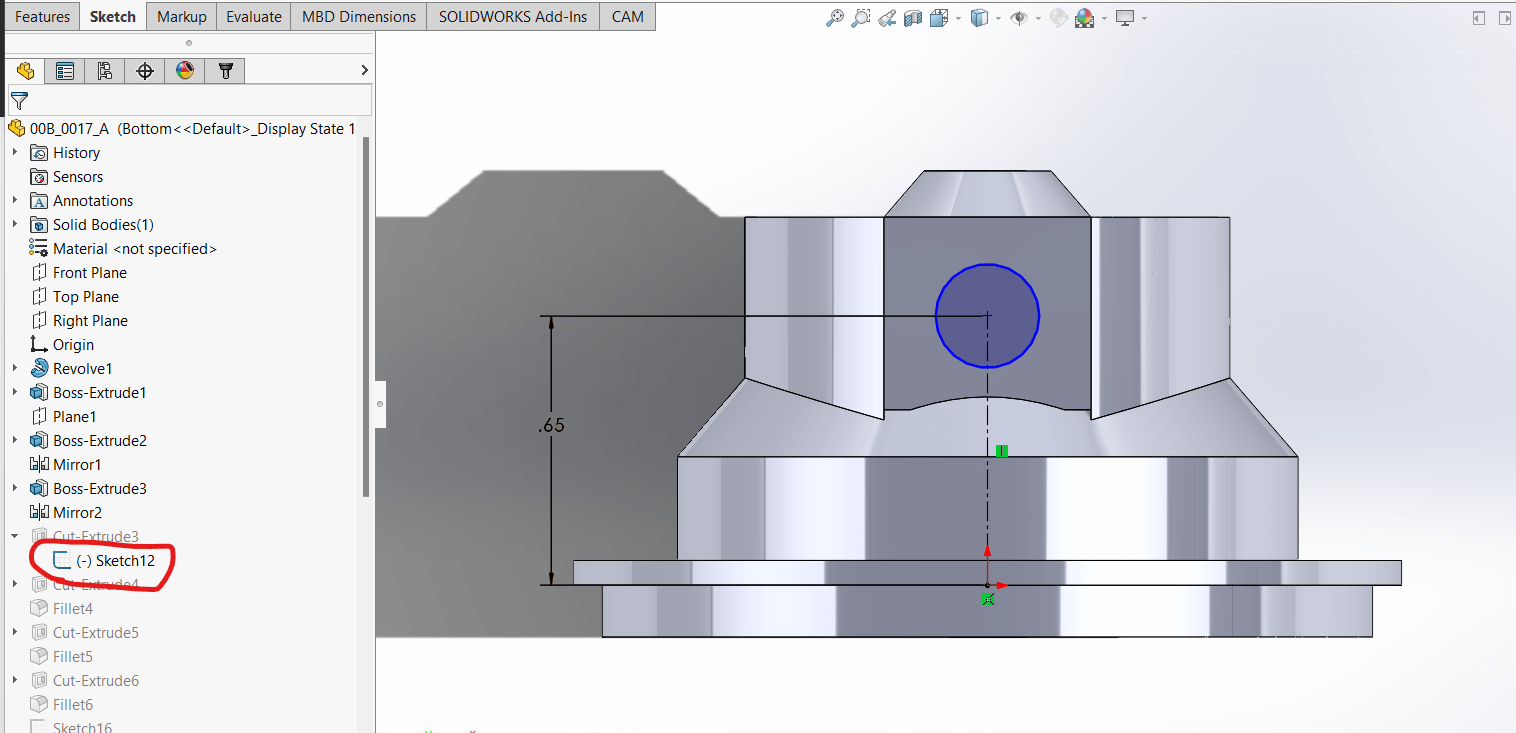
1 Make Sure that ALL of your sketches are defined.

Having features inside of your model that are generated by undefined sketch elements can lead to the sketch being inadvertently changed without knowing it. It also runs the risk that updates made to the model may make undesired changes in other parts of the model that have coupled relationships. 

Solidworks makes this easy to identify by highlighting all undefined elements in blue and all defined elements in black Additionally there will be a "-" next to all solidworks sketches in the history tree that are not fully defined.

2 Avoid using the fixed constraint

In almost all cases the use of fixing either a sketch element or a component in an assembly is a sign that some corner has been cut. 

3 Use a part numbering system

As assemblies start to scale and the number of projects in your vault or drive begin to accumulate, it quickly becomes unmanageable to only use short names to keep track of what is what. No matter what system you use (usually simple is better), we highly recommend that you implement a part numbering system of some kind. When it comes time to turn your digital design into a manufactured design this will pay serious dividends.

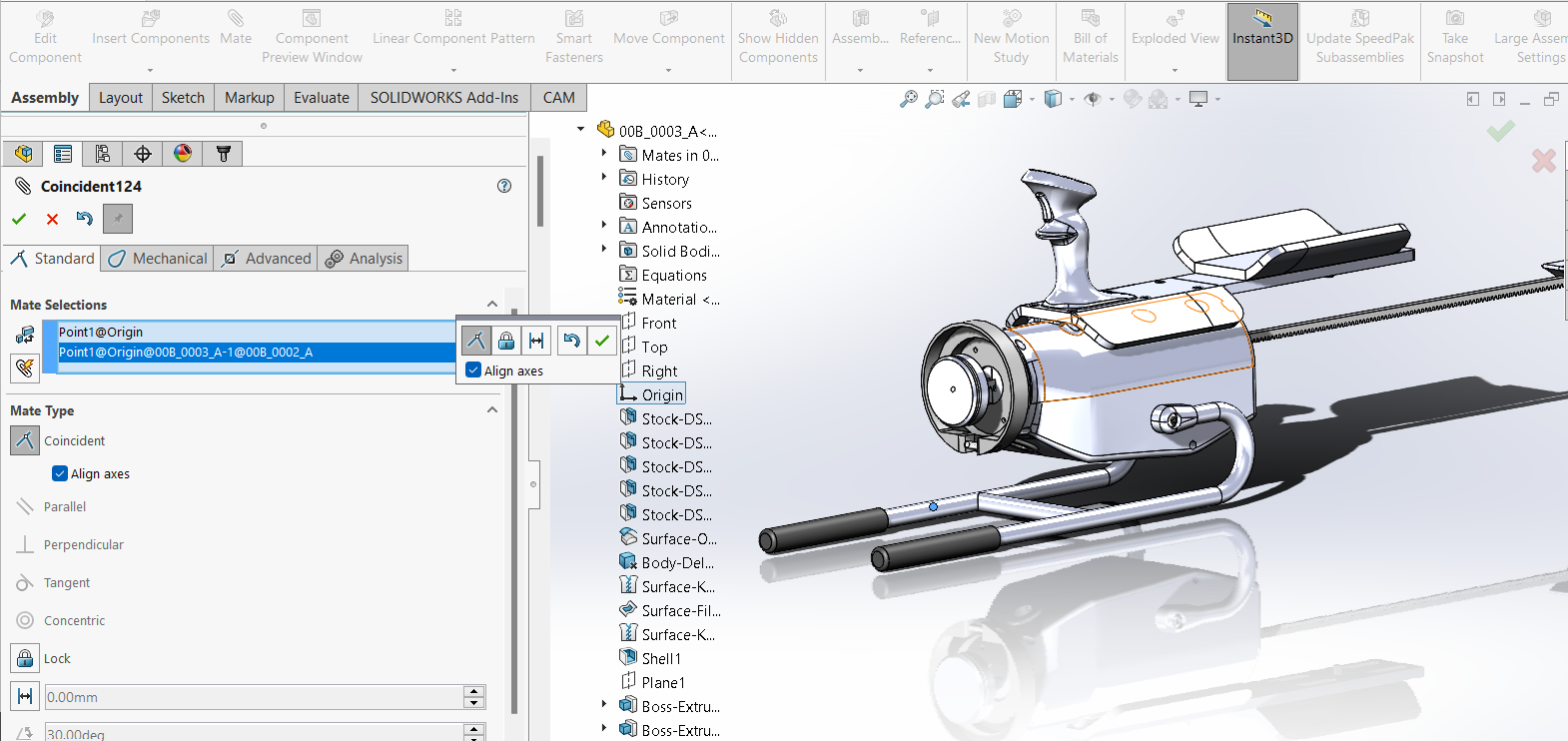
4 Use coincident origins for at least one part in the assembly

By default when you import your first component into a solidworks assembly, it will fix the part in whatever orientation you place it. This is often not a great starting point for creating models that are easy to interact with. Chances are this part is not aligned with the origin of the assembly. We recommend that you take the extra step to align the origin of at least one component in the assembly with the assemblies own origin. Equally as effective is to logically align features of at least one component in the assembly with the assemblies planes.

5 When possible, there should only be one physical part in a part file

Designing a welded frame constructed out of multiple tube sections? It maybe tempting to design each of the tubes inside of one part file to reduce the overhead of generating your CAD model. In general though, this is considered a shortcut that will a create problems when it comes time to generate your manufacturing files by causing exceptions in how costs are accounted for, BOM management, and inventory management. 

This will also lead to parts with shorter design history trees and accordingly fewer dependencies that can cause problems. 

Low Volume Manufacturing: The Biggest Advantages of Small Batch Production
Writer's
Emerick Varga
3 min
Low Volume Manufacturing: The Biggest Advantages of Small Batch Production

Normally, low-volume manufacturing involves the production of 10 to 10K parts, depending on the methods used, manufacturing processes involved, mold tooling & the materials in use. Scaling fast to "mass commercialization" comes with lots of dangerous risks and additional but unnecessary costs.

 However, the practice of low-volume manufacturing can be more efficient as well as very effective. It adds flexibility to the design process, minimizes the occurrence of the risk, reduces time-to-market, and often creates opportunities that allow for saving in the cost of production. So, stakeholders reap massive benefits during the various stages of the product life-cycle, that's from the early stages of designing to manufacturing, and this extends up to the supply chain until reaching the customers. 

Benefits of Low Volume Manufacturing

Saves A Significant Amount of Money 

Do you want to produce top-quality parts while still being able to limit your investment exposure? Low-volume manufacturing is the perfect option by producing up to 10K high-quality pcs. If durability isn't a priority, you can save more money by leveraging soft tooling to make a lower-fidelity test run. 

Conversely, factories established for large-scale production have huge inventories of equipment and raw materials. Thus, to cover the big investment needed, they require you to place a large amount for an order, and there is usually a set minimum. But low volume-manufacturing specialists aren't burdened with the same amount of overhead, so we can process orders quickly yet more economically, without the need for a minimum order. 

When producing a small-run of parts or products, you'll have access to emerging markets before competition has an opportunity to do so. 

Unlike full-scale production, low-volume manufacturing reduces tooling costs without a need for minimum orders. Low-volume manufacturing allows you to reduce the total production lead times, which in turn saves you time and energy in your product development stages. 

If there's a need for shorter product lifecycles, with low volume manufacturing you can iterate designs and parts much more quickly. Better still, you won't have to make the often unnecessary financial expenditure of a full production run, therefore keeping your business financially stable. Also, low manufacturing comes with very quick turnaround that hastens design changes, decreasing costs & the total time it takes to produce the manufacturing run.


More Flexible Design Iterations

While producing the products, there'll most likely be a few design aspects that require modification. With low-volume production runs, it will be easier to validate the design, engineering & manufacturability before investing in costly production tools, and later turning to mass production. Speedy design iterations following the first test run can refine & optimize the product's features further, before it reaches the hands of customers. 


Low-volume manufacturing offers a quicker time to market 

In some cases, being the first to market can determine whether your product succeeds or flop. Low-volume manufacturing is a perfect way to produce enough of your product for sale, without having to carry excessive inventory. Also, supply chains for low volume manufacturers are well optimized, so the total lead times are generally weeks or days instead of months, giving you a faster path to market viability.


Low-volume Allows Bridge Production 

An added advantage of low-volume manufacturing is that it allows you to prepare for a move to full scale production, which is how it got the name ‘bridge tooling’ or ‘bridge production’. As the volume of manufacturing continues to go up, you can streamline your best practices to save costs and boost on product quality. 

Types of Low Volume Manufacturing

Low-Volume CNC Machining 

In various sectors of low volume manufacturing, CNC machining provides a means to custom manufacture plastic and metallic machined parts. In CNC machining, low volume manufacturing is a solid assessment solution for future full-scale production schedules.


Rapid Injection Molding 

Rapid injection molding is best for clients who require low volumes of molded parts. Apart from manufacturing large numbers of production-grade plastic parts for conducting verification tests similar to the end product, it also offers an at-will production of the final production components for low-volume manufacturing.


Custom Sheet Metal Fabrication

Sheet metal fabrication refers to the process of making parts from a sheet of metal or metal alloy, either through cutting, stamping, punching, blending, and finishing. As opposed to the large initial setup cost and cycle time for full scale production, low-volume fabrication of sheet metal lowers the set-up time to facilitate a quick changeover of jobs.

Plastics 101: Everything You Should Know About the Process of Overmolding
Writer's
Emerick Varga
3 min
Plastics 101: Everything You Should Know About the Process of Overmolding

Overmolding is a unique and popular process where two different materials combine to make a single product. The two-part process uses a substrate or base material, generally a rigid and durable plastic, and covers it either completely or partially with a softer material (mostly TPE). The process may sound simple, but it has massive potential for industrial applications, making it a popular choice among different manufacturers.

Types of Overmolding

Depending on the application and requirements of your project, you can choose between different types of overmolding. In almost all cases, the covering material is softer and lighter than the substrate, and the two parts are either chemically bonded or mechanically interlocked with each other.

Following are the four different types of the overmolding process:

  • Plastic over plastic
  • Rubber over plastic
  • Plastic over metal
  • Rubber over metal

The Best Materials for Overmolding

For overmolding, material compatibility and physical properties stand as the most critical factors. Most of the materials in this process are chemically bonded, and incompatibility will either fail or give you an inferior product. You also have to consider your final products and make sure that you are selecting a suitable material. Some choices are only suited for specific conditions, which naturally limits their applications.

We recommend relying on specialists who know the important characteristics like mechanical properties, bonding, material behavior, etc.

Some of the most common choices for overmolding in the industry are:

HDPE

High-Density Polyethylene is your go-to material for durability and toughness. The service temperature of this material is around 1830 F, making it ideal for a variety of applications. Similarly, HDPE can be quickly processed and can even resist moisture.

ABS

One of the most common materials you'll encounter in any overmolding facility. ABS is an excellent choice for many applications due to its toughness, ductility, heat resistance, and the ability to work with most acids and alkalis. You'll often find ABS in electronic products, some automotive components, and smartphones.

PEEK

Polyetheretherketone (PEEK) is engineered to perform in the harshest environments. This material is the perfect choice for applications where you need great thermal, chemical, and mechanical properties. The high-profile plastic is used in gaskets, automobile engines, pumps, compressors, and other similar components where regular material immediately fails.

Acrylic

Acrylic is another standard plastic we deal with regularly. From optical lenses to touchscreens and lamps, you'll find Acrylic everywhere. The surface of this material is considerably hard, and it possesses moderate tensile strength. The material has excellent transparency and is quite economical as well. Moreover, Acrylic and PEEK are among the very few FDA approved materials, which makes them suitable for the food and medical industry.

 The above list names only a few most commonly used options that work well with others. There are numerous material options and combinations, which are almost impossible to list down. The important thing to remember is that having the correct combination is essential for overmolding applications. You have to be extra careful when choosing the material combination for your process. 

Why should you choose Overmolding?

In the current consumer market, multiple sectors rely on the overmolding process to make their products attractive, practical, and safer. From sensitive medical instruments to your child's favorite toy, overmolding is used because of its various advantages. Some of them are discussed below.

Better Performance

The most significant advantage you'll get with overmolding will be the increase in your product's performance. Most slip-resistant grips, soft handles, and other add-ons are possible because of this process. They are a perfect choice for applications where you can't compromise on the user's comfort and the material strength.

Electrical Insulation and Vibration Absorbance

Building on the performance aspect, overmolding also contributes to making your product safer. The process can help you create insulated handles and covers that can protect users from burns and electric shocks. Additionally, vibration dampening is another area where overmolding can help manufacturers. Having molded dampeners on the vibration source will give you better protection and increase your product's durability. 

Reduced Overall Costs and Production Times

Another significant benefit of the overmolding process is the overall reduction in cost and production times. This process can reduce the assembly-line time, which increases efficiency and reduces the total running costs of the manufacturing setup.

Increased sales and customer retention

There is a cut-throat competition in the consumer industry, and manufacturers need to do everything they can to make their products stand out. Overmolding helps by enhancing the performance potential of a product, but that's not all. The process also makes it possible for you to increase the visual appeal with bright colors and attractive finish. The functional and visual aspects combine to increase the shelf appeal of your product, which will result in increased sales and more revenue for you.

Electronics Design Services: How To Transform Your Idea Into A Prototype
Writer's
Emerick Varga
3 min
Electronics Design Services: How To Transform Your Idea Into A Prototype

Why Prototyping in Electronics Design Is So Important

Prototypes are a critical step within the hardware product development process. It provides many benefits including saving both money and time. Even major companies like Microsoft and Ford use prototypes & electronics design as part of their overall development process to bring products to market.

Top Reasons for Electronics Design Services & Prototyping

1) Collect accurate requirements: Nearly half of all project costs are caused by rework as a consequence of having inadequate requirements. When a working prototype is developed, the functionality can be demonstrated to help solidify the final design's requirements.

2) Understand the problem from a technical standpoint: When a functional electronic prototype is developed, it allows you to address both anticipated and unanticipated technical hurdles in the design of a device. These solutions can then be applied to a system's design that is more elegant when moving to your final chosen solution.

 3) Help to resolve conflict: Proper prototyping can provide a path for quickly generating multiple variants of the same feature. These variants can then be benchmarked against each other to provide valuable insight to the upsides and downsides of each approach. This can help significantly reduce production risk by giving assurances to the design choices that have been made.

4) Build financial backing: Having a prototype helps demonstrate your idea's feasibility. This will allow you to better gain traction amongst investors by helping to tell the story of your product and instill confidence that you can actually bring your idea to market. 

5) Easily file more patents: Although it is not required any longer, prototypes are still the safest and best way to show "reduction to practice." Furthermore, in order to have a patent claim that is not just approved, but that is also defensible in most cases you will need to have some intimate knowledge of what aspects of your product should be claimed and how those claims should be depicted. Having a physical prototype is often an effective way to navigate these nuances.

Custom Electronics Designs Are Quicker and Cheaper Than You May Realize 

With changes within the global marketplaces and advances within rapid prototyping technologies, it is now possible for custom electronic design prototypes to be produced faster and cheaper than ever before. 

With all of these changes, it often doesn't make sense to bother with one-off hand-soldered development boards and breadboard designs which can be unreliable and offer less insight to a final product. Since every project & customer will have different requirements, Tamarisk can leverage its in-house design & manufacturing services, in addition to overseas partners to offer bespoke solutions that are custom-fit to your financial and time restrictions while never making compromises on the product's quality. 

Why It Is So Important to Get Your Prototypes Right 

During the electronics design/prototyping stage, you have the opportunity to trial various features & iterate on an accelerated basis to quickly improve the design. The prototyping stage is also when you can figure out exactly how to architect your product, and your prototype's design architecture in a lot of instances directly impacts the means by which your final product's features will be produced. For that reason, it is absolutely crucial to carefully plan how your prototyping process will be conducted. 

We approach the prototyping stage seriously; by leveraging an extensive breadth of in house and networked industry experience we can produce high-quality electronic prototypes that enable customers to put their focus on user testing & demos, as opposed to having to deal with low-level debug issues. In some instances, we have even been able to create high fidelity prototypes within just a few weeks, and for as little as low as a few thousand dollars. 

Why Testing Your Electronics Prototype Is So Important 

Once your prototype has been designed, produced, and assembled you’ll have your finished prototype. However, that doesn't mean the prototyping stage is finished. Now your design needs to be tested. It really cannot be stressed enough how important it is to test your design. 

One of the most valuable things gained from creating your first prototype is having the opportunity to learn from its design. If you decide to forgo deep testing, you’ll likely overlook some of these learnings that can be extracted from your prototype.  
Be sure that your prototype is tested based on the exact functionality you developed it for in the first place. Whether it’s technical validation, demos for potential investors, or user testing, it is crucial that a set of tests are designed specifically for your product.